
Milan Metro – A Complete Guide for Visitors and Newcomers
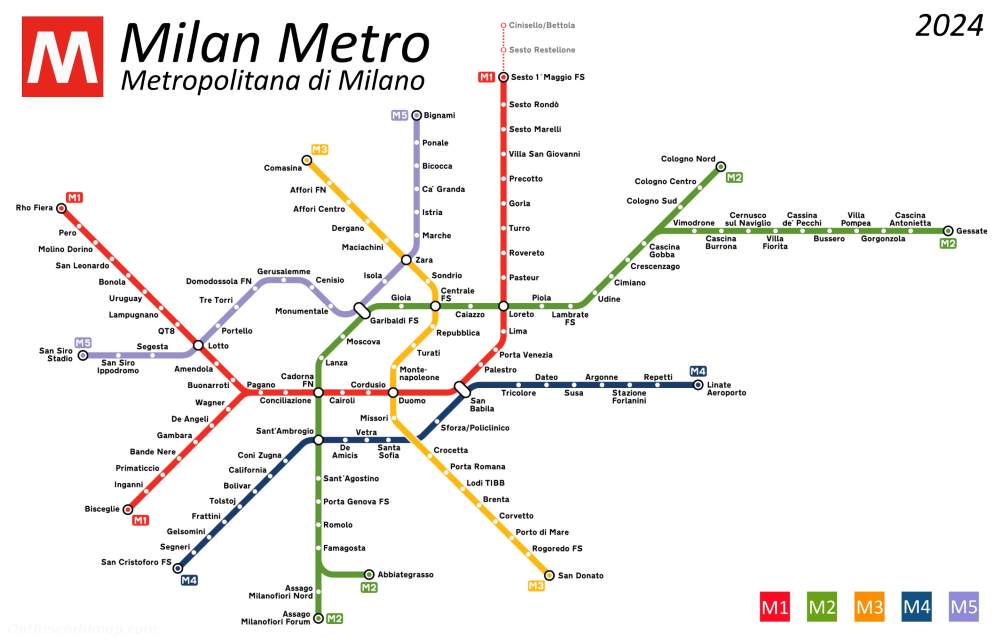
The Milan Metro is the backbone of public transportation in Milan and one of the fastest, most efficient ways to move around the city. Whether you are visiting Milan for a short stay, arriving as a student, relocating for work, or simply exploring Italy’s most dynamic business and fashion hub, understanding how the metro system works will save you time, money, and stress.
This guide explains the Milan Metro in clear, practical terms: how the network is structured, how tickets work, where the main lines go, how to use the system step by step, and useful tips for travelers and newcomers.
Overview of the Milan Metro
The Milan Metro (Metropolitana di Milano) is operated by ATM (Azienda Trasporti Milanesi) and consists of five main lines covering the city and many surrounding suburbs. The system is modern, well-signposted, and relatively easy to use even if you do not speak Italian.
The metro connects:
-
Historic areas such as the Duomo and Castello Sforzesco
-
Business districts like Porta Nuova and CityLife
-
Major railway stations
-
Residential suburbs
-
Interchanges with trams, buses, and suburban trains
Trains are frequent, stations are clearly marked, and most ticket machines offer English-language options.
The Metro Lines Explained
Each metro line in Milan is identified by a number and a color, which makes navigation intuitive.
M1 – Red Line
The Red Line is one of the oldest and most important lines. It runs east–west across the city and connects:
-
Duomo (city center)
-
San Babila (shopping area)
-
Cadorna (railway and airport connections)
-
Rho Fiera (exhibition center)
This line is particularly useful for tourists visiting central Milan and for business travelers attending fairs.
M2 – Green Line
The Green Line runs northeast–southwest and reaches both central areas and outer suburbs. Key stops include:
-
Centrale FS (main train station)
-
Porta Garibaldi
-
Navigli district (nightlife and canals)
It is a vital line for commuters and visitors arriving by train.
M3 – Yellow Line
The Yellow Line runs north–south and passes through:
-
Duomo
-
Centrale FS
-
Porta Romana
This line is very popular for city-center travel and provides quick access to key areas.
M4 – Blue Line
The Blue Line is the newest addition and a major improvement for travelers. It directly connects:
-
Milan Linate Airport
-
City center (San Babila area)
This line is fully automated and extremely convenient for air travelers.
M5 – Purple Line
The Purple Line is also fully automated and serves:
-
San Siro Stadium
-
CityLife district
-
Northern residential zones
It is especially useful for events, football matches, and modern business districts.
Understanding the Metro Map
The Milan Metro map is designed to be simple and color-coded. Stations are shown clearly, and interchange points between lines are well marked.
Key things to notice on the map:
-
Interchange stations allow you to change lines without leaving the metro
-
Terminal stations indicate the direction of travel
-
Zones beyond the city center may require different tickets
Maps are available:
-
Inside every station
-
On platforms
-
Inside trains
-
Online and in mobile apps
For most visitors, the central urban area is easy to navigate using just one or two lines.
Tickets and Fares
Milan uses a zone-based ticket system. For most short stays, standard urban tickets are sufficient.
Common Ticket Types
-
Single ticket (Urban): Valid for 90 minutes across metro, buses, and trams
-
24-hour ticket: Unlimited travel for one day
-
48-hour ticket: Ideal for a weekend visit
-
Carnet (10 trips): Discounted option for multiple rides
-
Monthly passes: Best for students, workers, and long-term stays
Tickets can be purchased:
-
At metro station machines
-
From authorized shops
-
Via official mobile apps
-
With contactless bank cards at gates (on most lines)
How to Use the Milan Metro Step by Step
Using the Milan Metro is straightforward, even for first-time users.
-
Buy your ticket before entering the platform area
-
Validate the ticket at the entrance gates
-
Check the direction of the line (end station names are shown)
-
Wait behind the safety line on the platform
-
Board the train and watch station displays
-
Exit through the gates, validating again if required
Announcements are usually in Italian, but station names are clearly displayed on screens and maps.
Operating Hours and Frequency
-
Operating hours: Approximately 5:30 AM to 12:30 AM
-
Peak hours: Trains every 2–4 minutes
-
Off-peak hours: Every 5–10 minutes
On weekends and during major events, service frequency may increase. Night services are usually replaced by buses after the metro closes.
Accessibility and Comfort
The Milan Metro has significantly improved accessibility in recent years.
Features include:
-
Elevators and ramps in many stations
-
Priority seating
-
Clear visual signage
-
Air-conditioned trains
Newer lines (M4 and M5) are fully accessible and driverless, offering a smoother experience.
Safety and Practical Tips
Milan’s metro is generally safe, but as in any large city, basic precautions are recommended.
Helpful tips:
-
Watch your belongings, especially in crowded central stations
-
Avoid standing too close to doors during peak hours
-
Keep your ticket until you exit the system
-
Follow platform signage carefully
Pickpocketing can occur in busy areas, particularly near tourist attractions.
Metro Connections to Airports and Trains
The metro integrates well with other transport options:
-
Linate Airport: Directly connected via M4
-
Malpensa Airport: Accessible via train from Centrale or Cadorna
-
Central stations: Centrale FS, Porta Garibaldi, and Cadorna are all metro-connected
This makes the Milan Metro a key part of any arrival or departure plan.
Why the Milan Metro Is Ideal for Visitors
For travelers, students, and expatriates, the Milan Metro offers:
-
Fast travel across the city
-
Predictable schedules
-
Affordable prices
-
Easy navigation
-
Strong connections to major attractions
Compared to taxis or driving, the metro is often the quickest way to move around Milan, especially during busy hours.
Final Thoughts
The Milan Metro is more than just a transport system—it is a practical gateway to understanding and navigating the city efficiently. With five color-coded lines, clear maps, and modern infrastructure, it serves both short-term visitors and long-term residents exceptionally well.
If you are planning to explore Milan, commute daily, or simply want a reliable way to move between neighborhoods, mastering the metro will make your experience smoother and more enjoyable.